Manufacturer · Wholesaler · Supplier · Exporter
Garments made in India — exported to the Gulf, Africa, Europe and North America
Hurain Garments Exporter supplies jeans, shirts, T-shirts, kurtis, kidswear, uniforms, hoodies and caps to importers, wholesalers, retailers and uniform buyers in 47 high-demand countries — one partner for sampling, quality checks, export packing and documentation.
Popular:
17 garment lines · 4 families · 50 countries
Est. 2010
Trading and exporting since
17
High-demand garment lines
50
Export countries served
FCL · LCL
Container export, door-to-port

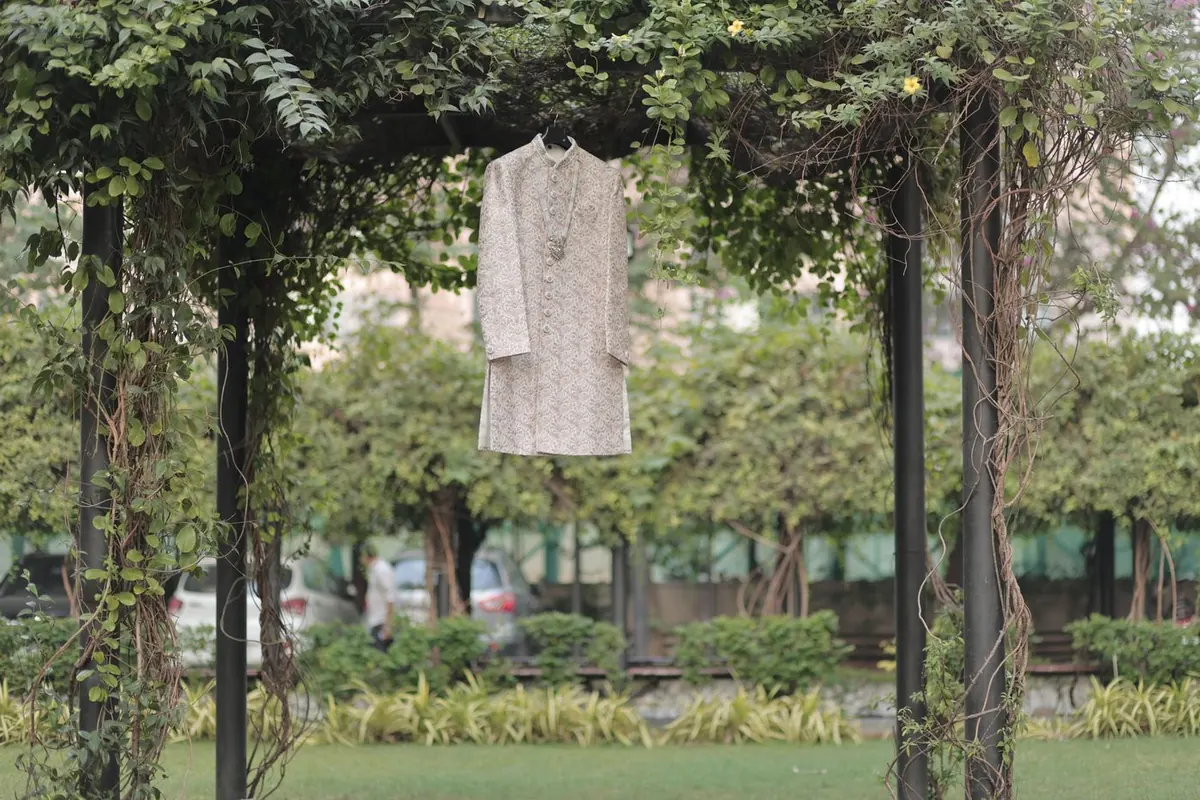
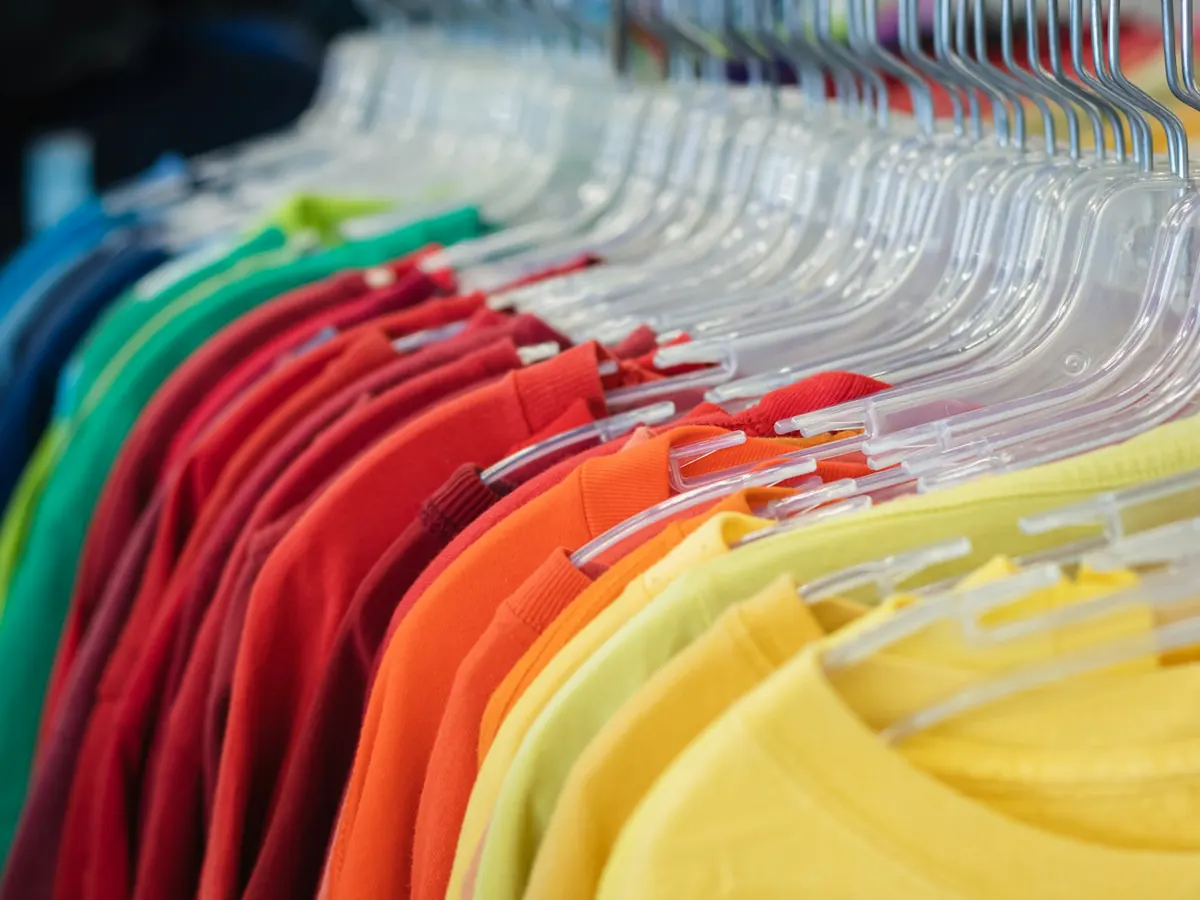
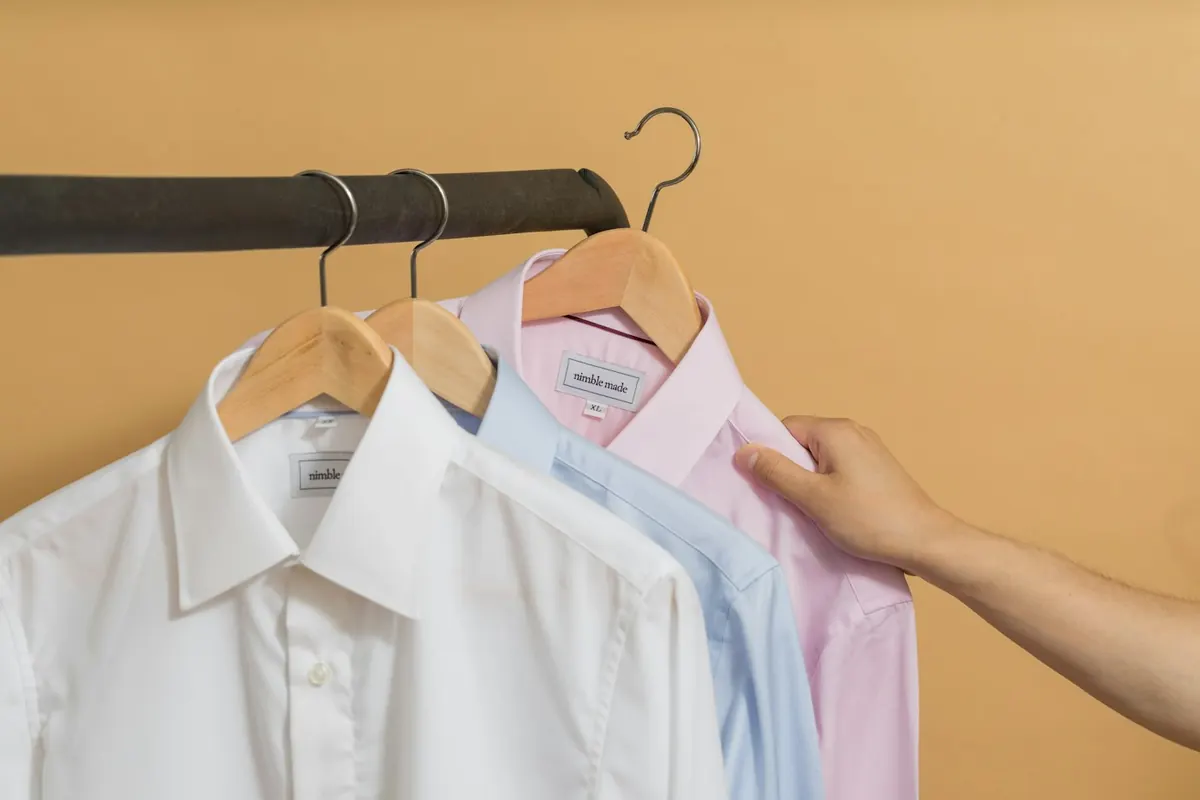
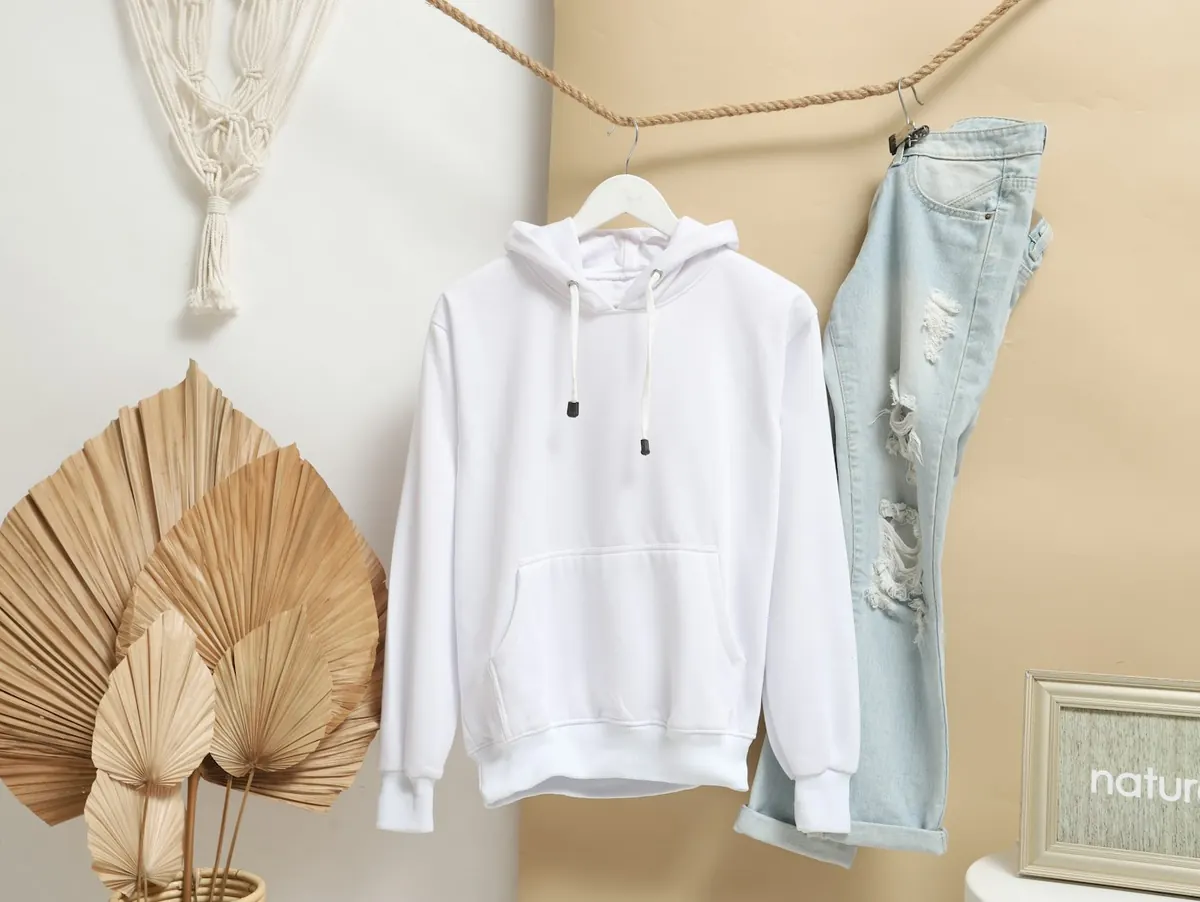
What we supply
Four garment families, one export partner
Choose a family to see every garment line, or search above. Each product page has fabrics, sizes, construction, tests, packing, MOQ, lead time and a buyer's checklist.
Men's Casual & Formal Wear
Jeans, formal and casual shirts, printed shirts, T-shirts, polo T-shirts, chinos and cargo pants for wholesalers, retailers and private-label brands.
Women's & Ethnic Wear
Kurtis, leggings, tops, dresses, abayas and kaftans for retailers, boutiques, diaspora stores and modest-fashion brands.
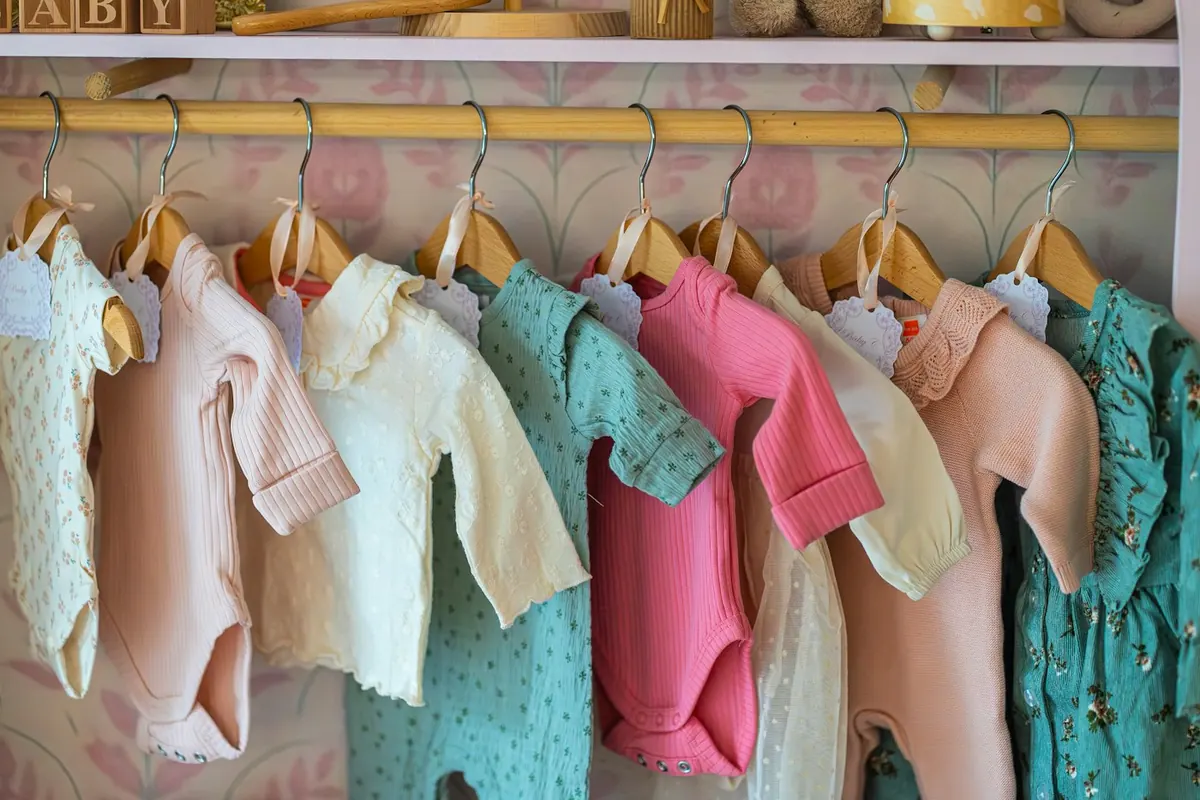
Kidswear, Uniforms & Workwear
Children's clothing, school uniforms and corporate and industrial workwear for wholesalers, institutions and contractors.
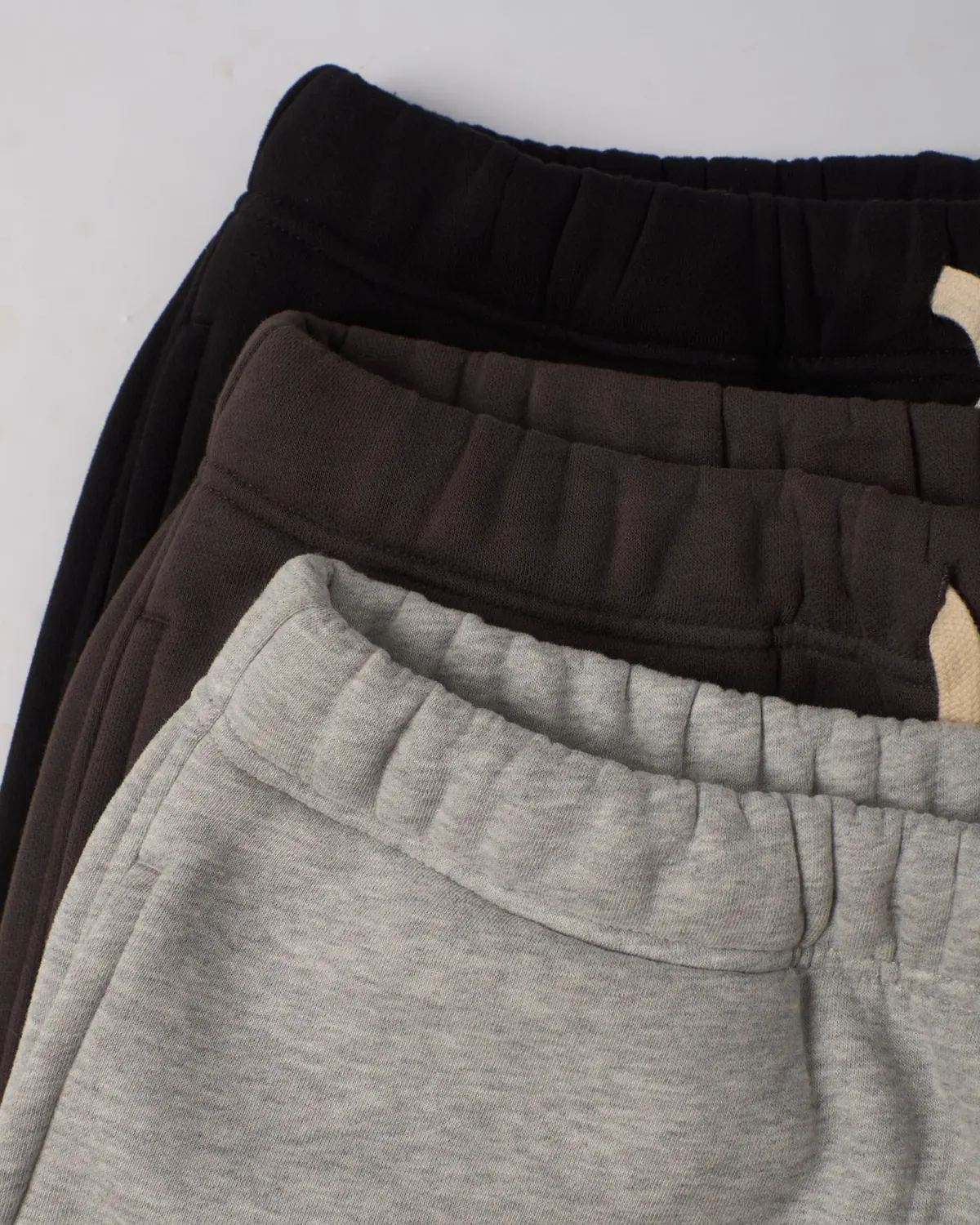
Activewear, Knitwear & Caps
Track pants, shorts, hoodies, sweatshirts, sports jerseys and caps in knitted cotton and polyester for sports, leisure and promotional use.
About Hurain Garments
Built for buyers who need more than one garment line
Most importers deal with a long list of suppliers: one for jeans, another for T-shirts, another for uniforms, another for ethnic wear. Every extra supplier adds a separate negotiation, a separate quality risk and a separate shipment. Hurain Garments Exporter was set up to remove that friction.
From our base in Palanpur, Gujarat, close to Mundra and Kandla ports and to India's garment clusters, we sample, produce, inspect and export across seventeen garment lines. Buyers send one list; we return one quotation, one inspected consignment and one set of export documents.
Our work covers stock designs for wholesalers, private-label ranges for retailers and online brands, repeat-shade uniforms for schools and institutions, and design-led ethnic wear for boutiques and online sellers.
Quick answer
What does Hurain Garments Exporter do?
Hurain Garments Exporter is a Gujarat, India based manufacturer, wholesaler, supplier and exporter of ready-made garments. It supplies 17 high-demand garment lines in four families — men's wear, women's and ethnic wear, kidswear and uniforms, and activewear and caps — with sampling, inspection, export packing, documentation and FCL/LCL shipping to the Gulf, Africa, Europe, North America and Asia-Pacific.
Buyers we serve
- Garment wholesalers & traders
- Retail chains & department stores
- Fashion & private-label brands
- Online marketplaces & D2C labels
- Schools & institutional buyers
- Workwear & safety contractors
- Sports clubs & academies
- Ethnic & diaspora retailers
- Sports clubs & team suppliers
- Hotels & hospitality groups
Popular with buyers
Featured garment lines
Men's Casual & Formal Wear
Jeans
Men's, women's and kids' denim jeans in slim, regular, relaxed and straight fits with stone, enzyme and rinse washes.
View detailsMen's Casual & Formal Wear
T-Shirts
Round-neck, V-neck and printed cotton T-shirts for retail, promotion and wholesale, in single jersey and slub fabrics.
View details
Men's Casual & Formal Wear
Shirts
Formal and casual cotton shirts in solids, checks and stripes, in regular and slim fits for retail, uniform and wholesale buyers.
View detailsWomen's & Ethnic Wear
Kurtis
Cotton and rayon kurtis in straight, A-line, anarkali and long styles with block print, embroidery and digital print.
View details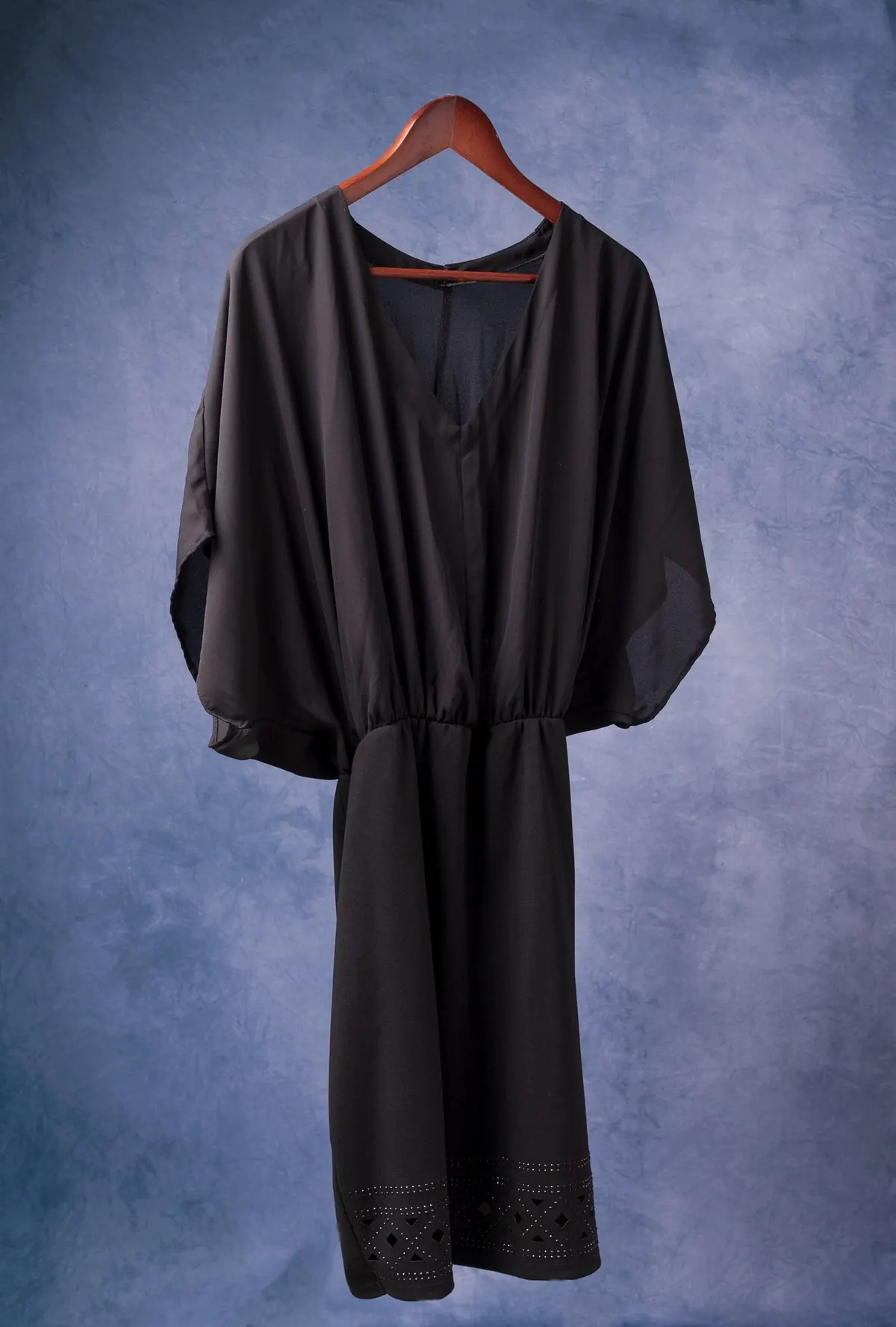
Women's & Ethnic Wear
Abayas & Kaftans
Modest abayas, kaftans, jilbabs and hijabs in crepe, nida and cotton for Gulf, African and European retailers.
View detailsKidswear, Uniforms & Workwear
School Uniforms
School shirts, trousers, skirts, pinafores, blazers, sweaters and PE kits made to school colours and repeat-order standards.
View detailsActivewear, Knitwear & Caps
Hoodies & Sweatshirts
Pullover and zip hoodies, crew sweatshirts and oversized fleece tops in cotton-polyester fleece for retail and promotions.
View detailsWhy importers source garments from India
India is one of the largest garment exporters in the world, and what makes it useful to an importer is not a single factory but a set of specialised clusters sitting a few hundred kilometres apart. Tiruppur in Tamil Nadu knits cotton jersey for T-shirts, polos and kidswear. Ludhiana and Noida make hosiery, fleece and activewear. Ahmedabad and Bengaluru weave and wash denim and make shirts. Jaipur and Surat print, embroider and stitch kurtis, kaftans and ethnic wear. Delhi NCR specialises in woven trousers, caps and uniforms. A buyer who deals with each cluster separately has five suppliers, five timelines and five shipments; a buyer who works with us has one.
Cotton is the second reason. India grows more cotton than almost any other country and spins, weaves and dyes most of it domestically, so the fabric a garment is made from is usually produced within a day's drive of the factory that cuts it. That keeps lead times short, allows small colour and print runs, and makes it practical to change a design between one order and the next without waiting for imported fabric.
The third reason is flexibility. Many garment exporters are built around very large programmes for a handful of global brands. Our factories are used to buyers who want 300 pieces of a kurti design, 1,200 jeans in two washes, or a school uniform in a precise shade. That flexibility is the difference between a range that sells through and one that sits in a warehouse.
Seventeen garment lines in four families
The range is deliberately focused on the garments with the highest export demand. Men's wear covers jeans, formal and casual shirts, printed shirts, T-shirts, polo T-shirts, chinos and cargo pants. Women's and ethnic wear covers kurtis, leggings, tops and dresses, and abayas and kaftans. Kidswear and uniforms covers children's clothing, school uniforms and workwear. Activewear and knitwear covers track pants and shorts, hoodies and sweatshirts, team sportswear and caps.
Each line has its own page with fabrics, sizes, colours, construction details, tests, packing, minimum order, lead time and a buyer's checklist, and each is available as a country page for the ten markets where its export demand is strongest. Abayas, for example, are focused on the Gulf, the United Kingdom, the United States, Indonesia and Malaysia, while school uniforms are focused on East and Southern Africa.
Any garment in your colour, size and design
You are not limited to our stock designs. Any garment in the range can be made in bulk in the colour you choose, the sizes and size ratio your customers wear, and the design you supply. Send a reference garment, a tech pack, a sketch or a photograph, together with a Pantone code or swatch for colour and your size chart, and we return a lab-dip and a sample for approval before the bulk is produced.
Digital printing allows small runs of an exclusive design, embroidery and woven or printed labels carry your brand, and cartons are packed to the ratio you want, so the goods that arrive match the sample you approved.
Where we export, and why those countries
We serve 47 countries, chosen because garment demand there is high and consistent. All six Gulf countries are included, with 69 high-demand cities between them: the United Arab Emirates, Saudi Arabia, Qatar, Kuwait, Oman and Bahrain buy through Dubai, Jeddah, Riyadh, Doha, Kuwait City, Muscat and Manama. Twenty African countries are included, from Nigeria, Ghana and Kenya to South Africa, Ethiopia, Egypt and Morocco, because African wholesalers, schools and mining contractors are among the most reliable repeat buyers of Indian garments.
Europe is covered by ten markets (the United Kingdom, Germany, the Netherlands, France, Italy, Spain, Poland, Belgium, Sweden and Ireland), Asia by ten (Malaysia, Indonesia, Singapore, the Philippines, Thailand, Nepal, Sri Lanka, Kazakhstan, Uzbekistan and Azerbaijan), and North America and Oceania by the United States, Canada and Australia, where retailers, online brands and diaspora communities buy quality cotton basics, ethnic wear and activewear. We do not list or ship to every country on earth: each product page names only the markets where we can give buyers genuinely local advice on seasons, labelling, duty and delivery: all six Gulf countries, the ten strongest African markets for that product, ten European and ten Asian markets, and the United States, Canada and Australia.
How we keep quality consistent from sample to container
Garment quality problems are rarely visible in a single sample. They appear in the bulk: a fabric that shrinks more than agreed, a wash that varies from batch to batch, a size ratio that does not match the market. We therefore work in stages. First comes a fabric swatch and lab-dip for approval. Next a made-up sample with a measurement sheet, which becomes the standard the bulk is checked against. During production we check cutting, sewing and finishing in line. Before loading we inspect on an AQL 2.5 basis for measurements, shade, stitching and packing, and send a photo, video and measurement report so you can see what is in the container.
Documents matter as much as garments. Every shipment goes with a commercial invoice, packing list, certificate of origin and bill of lading, and with test reports, OEKO-TEX or social-compliance documents where your market asks for them. We keep fabric references, shade standards, size charts and labelling files for each customer, so repeat orders are quoted faster and match the first one.
Planning an order around your selling season
Timing decides whether garments sell at full price or at a discount. Abayas and kurtis for Ramadan, Eid, Diwali and the wedding season should be ordered three to five months early. Winter hoodies and fleece for the northern hemisphere are ordered between April and July. School uniforms are ordered four to five months before term. Printed shirts and linen for spring and summer are ordered between October and January. Our lead times run from about 25 days on repeat styles to about 60 days on new designs, and sea transit to the Gulf is 5 to 10 days, to East Africa 12 to 22 days, to West Africa 25 to 40 days, and to Europe and North America 20 to 45 days, so every country page shows the calendar that fits that market.
Why Hurain
Why importers choose us
17 high-demand lines, one supplier
Jeans, shirts, T-shirts, kurtis, kidswear, uniforms, hoodies and caps on one order and one set of documents.
Indian clusters behind every style
Tiruppur knitwear, Ludhiana hosiery, Ahmedabad denim, Jaipur and Surat ethnic wear, Delhi NCR bottoms and caps.
Samples before bulk
Fabric swatches, lab-dips and made-up samples with measurements are approved before production starts.
Inspection and photo reports
AQL-based inspection and a photo, video and measurement report before every container is loaded.
Private label and custom runs
Your labels, hang tags, barcodes, prints and embroidery, from stock designs to made-to-order runs.
Close to Gujarat ports
Based in Palanpur, Gujarat — within easy reach of Mundra and Kandla, India's largest container ports.
Export markets
Shipping from Gujarat ports to buyers worldwide
Gulf (GCC)
United Arab Emirates · Saudi Arabia · Qatar · Kuwait · Oman · Bahrain
Africa
Nigeria · Ghana · Kenya · Tanzania · Uganda · South Africa · Ethiopia · Egypt · Morocco · Côte d'Ivoire · Senegal · Cameroon · DR Congo · Mozambique · Zambia · Zimbabwe · Angola · Rwanda · Togo · Benin
Europe
United Kingdom · Germany · Netherlands · Italy · Spain · France · Poland
Americas
United States · Canada
Asia-Pacific
Malaysia · Singapore · Indonesia · Australia
Find your country
Each country page shows what buyers there look for, the buying calendar, import rules, ports, transit time and the cities with the highest demand.
- United Arab Emirates25 cities
- Saudi Arabia31 cities
- Qatar24 cities
- Kuwait23 cities
- Oman25 cities
- Bahrain23 cities
- Nigeria15 cities
- Ghana12 cities
- Kenya15 cities
- Tanzania15 cities
- Uganda12 cities
- South Africa16 cities
- Ethiopia12 cities
- Egypt16 cities
- Morocco13 cities
- Côte d'Ivoire10 cities
- United States27 cities
- United Kingdom16 cities
- Germany13 cities
- Netherlands11 cities
- Italy14 cities
- Spain10 cities
- France10 cities
- Canada13 cities
- Australia15 cities
- Malaysia14 cities
- All 50 countries & 710 cities →
Popular garment pages by country
Every garment line has pages for its strongest export markets and their highest-demand cities — 50 countries in all — with local demand, import rules, duty, transit time and a local business guide.
United Arab Emirates
Saudi Arabia
Qatar
Kuwait
Oman
Bahrain
Nigeria
Ghana
Kenya
Tanzania
Uganda
South Africa
FAQ
Frequently asked questions
Is Hurain Garments Exporter a manufacturer or a trading company?
Both. We produce through partner factories in India's garment clusters, and every order is sampled, inspected and exported under our responsibility.
Which countries do you export garments to?
We serve 47 high-demand countries, including all six Gulf countries, twenty African countries, ten European and ten Asian markets, the United States, Canada and Australia, by sea (FCL or LCL) and air.
Can I combine different garments in one container?
Yes. Mixed-style consolidation is one of our core services: jeans, T-shirts, kurtis, kidswear, uniforms and caps can travel together in one FCL or LCL shipment with one set of documents.
What is the minimum order quantity?
MOQ depends on the garment. Typical minimums are 300 pieces per design for kurtis, 1,000–2,000 pieces per style for jeans, shirts and T-shirts, and 500–1,000 pieces for hoodies and track pants. We confirm MOQ in every quotation.
Do you offer private label?
Yes. We apply your labels, hang tags, barcodes and packaging, and can develop your own prints, washes and embroidery.
Which Incoterms do you quote?
We quote FOB, CFR and CIF from Indian ports such as Mundra, Kandla and Nhava Sheva, and can arrange door delivery through partner forwarders on request.
How do I get a quotation?
Send your garment list, tech pack or reference sample, quantities and destination port through the enquiry form, email or WhatsApp. We reply within 1–2 business days with price, MOQ, packing, lead time and payment terms.
Request a quotation
Tell us what you need — we'll quote within 24–48 hours
Share product, specification, quantity and destination port. Our export team replies with price, MOQ, packing and lead time.